
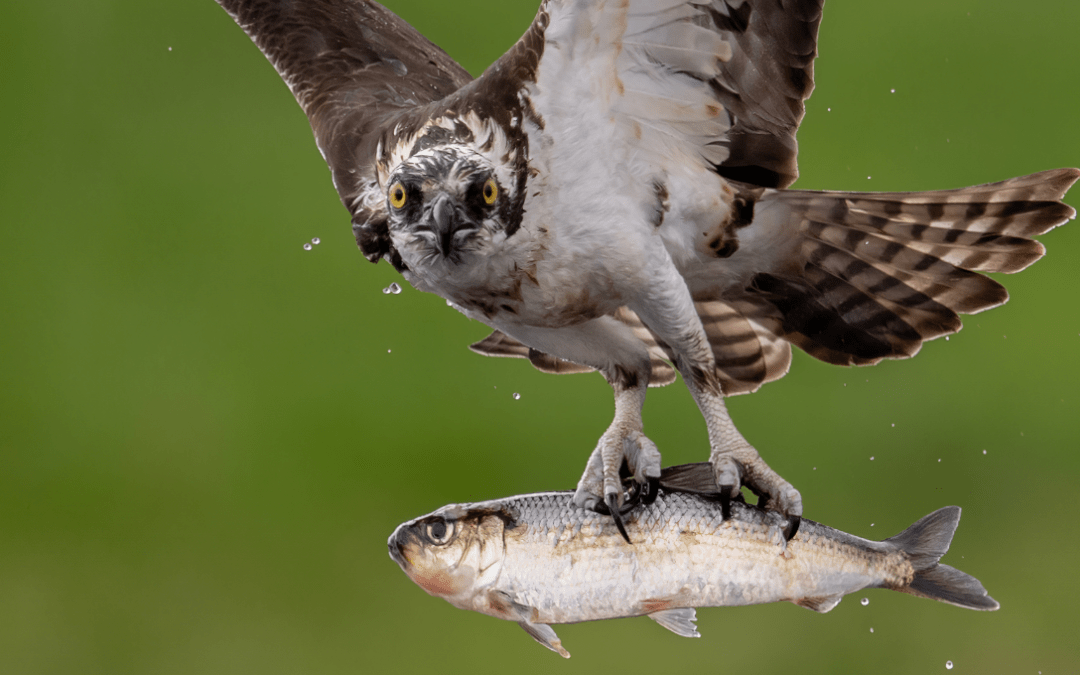
Osprey | Harry Collins | Audubon Photography Awards
As the Seattle Seahawks head to the Super Bowl, excitement is rippling across the region. Even though there is no bird actually called a Seahawk, the most similar raptor in the Seattle region is the Osprey. Ospreys are a familiar sight throughout the Puget Sound region during the breeding and nesting season (late March through September). They often nest on tall structures such as snags, platforms, utility poles, and channel markers, frequently returning to the same nest site year after year.
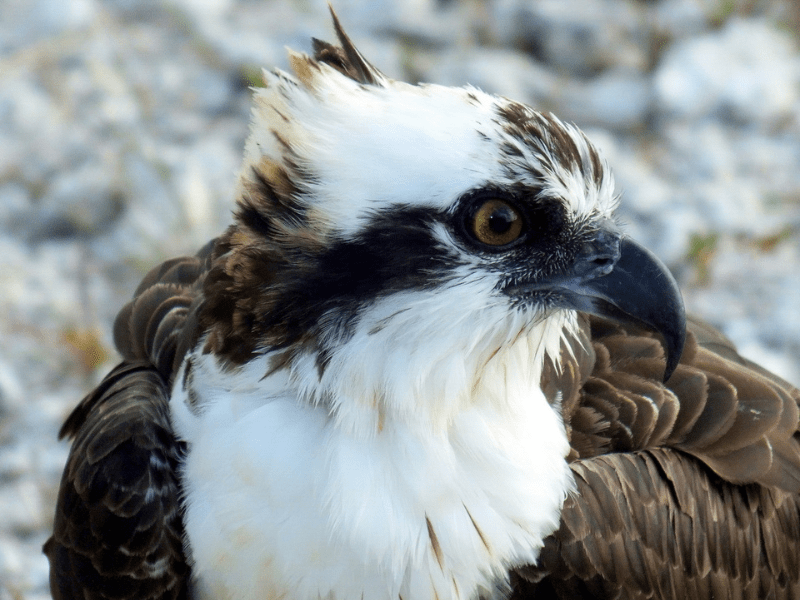
Osprey | Karen Wiles | Audubon Photography Awards

Seahawks Football, Pixabay
Ospreys are highly specialized raptors built almost entirely for catching fish. Unlike many birds of prey that eat a varied diet, Ospreys rely almost exclusively on fish for food.
Key adaptations include:
- Rough, spiny foot pads that help grip slippery fish
-
Reversible outer toes, allowing two toes to face forward and two backward for a stronger hold
-
Long, curved talons designed specifically for grasping prey
These adaptations make Ospreys one of the most efficient fishing birds in North America.
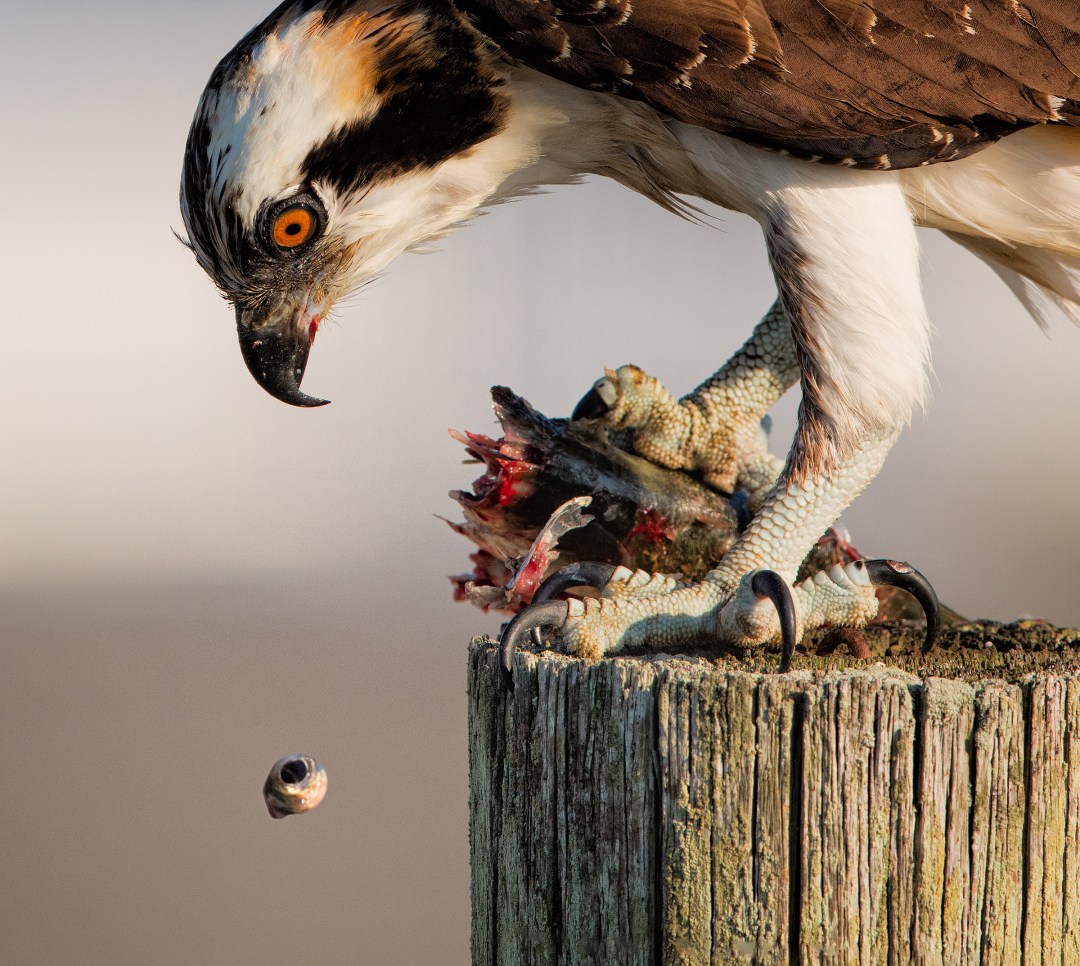
Osprey | Jim Verhagen | Audubon Photography Awards
Seahawks quarterback Sam Darnold has been mentioned as a birder, a fun reminder that an interest in birds shows up in all kinds of places. From professional athletes to casual backyard observers, birds connect people across backgrounds and interests. Whether you are watching an osprey dive for fish, following migration news, or just noticing the birds outside your window, there are countless ways birds are woven into daily life and into our community.
Related Articles
Aerial Insectivores in Decline: What 18 Years of Neighborhood Bird Project Data Reveals
Our skies are changing. New analysis of 18 years of Neighborhood Bird Project data shows aerial insect-eating birds, like swallows and swifts, are declining locally, with some species down more than 90%.
What’s driving the drop, and what can we do to help?
Built to Catch Bugs: Adaptations of Insect-Eating Birds
From mosquito-snatching swallows to barbed tongue woodpeckers, discover how insect-eating birds are perfectly built to catch their next snack.

Volunteer Spotlight: Jordan Juranek
Meet a Birds Connect Seattle volunteer! Discover their favorite birding spots, from Union Bay to Seward Park, their passion for Wood Ducks, and why they love leading outings with our NextGen team.