
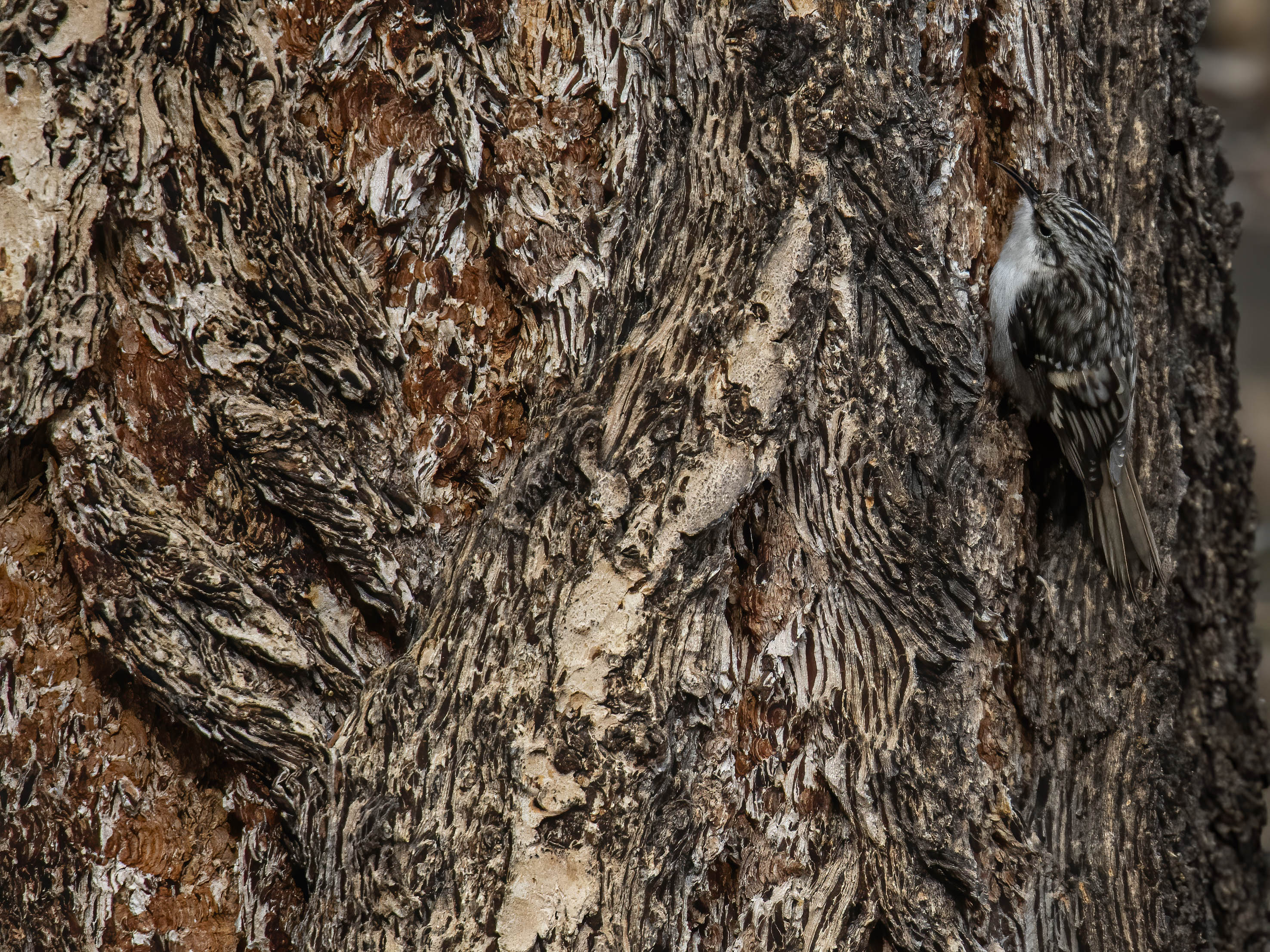
Urban Forest Protection
What is an urban forest?
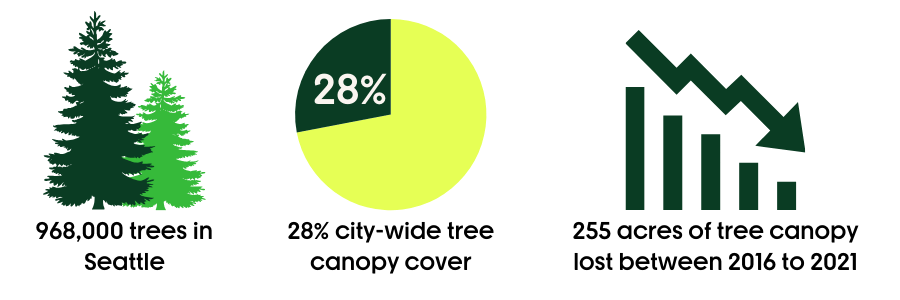
Seattle’s urban forest is made up both native and non-native tree species growing on many different types of land, including parks, businesses, personal yards, school campuses, and all long our city streets. Currently, the overall canopy cover in Seattle sits at about 28.1%, down from 28.6% in 2016. Seattle’s street trees alone make up around a quarter of our city’s canopy cover, and represent more than 600 different species. Seattle’s parks contribute significantly to canopy cover; while they occupy about 9% of the city’s land area, they support nearly 20% of our canopy cover. The remaining roughly 58% of Seattle’s urban canopy is rooted on private propery.
See Seattle’s 2021 Tree Canopy Cover Assessment for more details on canopy cover distribution and trends.
The benefits of urban forests
Trees in urban areas are critical for the wellbeing of city dwellers. Trees play an important role in community resilience to impacts of climate change like heat domes and urban flooding. They improve air quality diminished by pollution and wildfire. Urban forests also provide essential habitat for urban wildlife to feed, take shelter, and raise their young.
Urban Forestry Priorities at Birds Connect Seattle
Birds Connect Seattle works to protect our urban tree canopy through a multi-faceted approach. This includes:
1) Providing policy and technical guidance to urban forest managers through public processes (e.g., commenting on Seattle’s Urban Forest Management Plan);
2) Co-leading the Tree Equity Network with Seattle Parks Foundation to strengthen relationships and coordinate work among government, nonprofit, and activist groups;
2) Advocating for tree canopy protection and enhancement in important urban wildlife habitat areas and neighborhoods with low canopy cover; and
3) Educating the community about the importance of trees for people, wildlife, culture, and climate resilience.
How you can help
We all have a responsibility to protect and grow our urban forest in an equitable way accross the city. Keep an eye on our Conservation Advocacy page for opportunities to advocate on behalf of our local tree canopy.
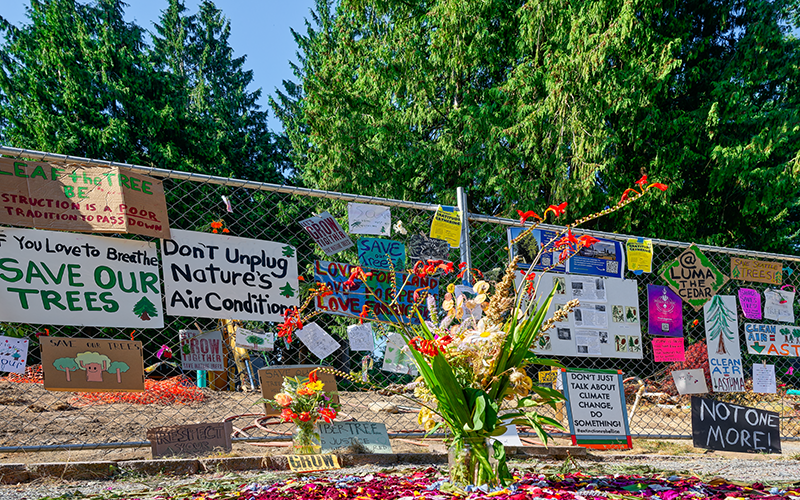
Western Red Cedar protection in Wedgwood | Glenn Nelson
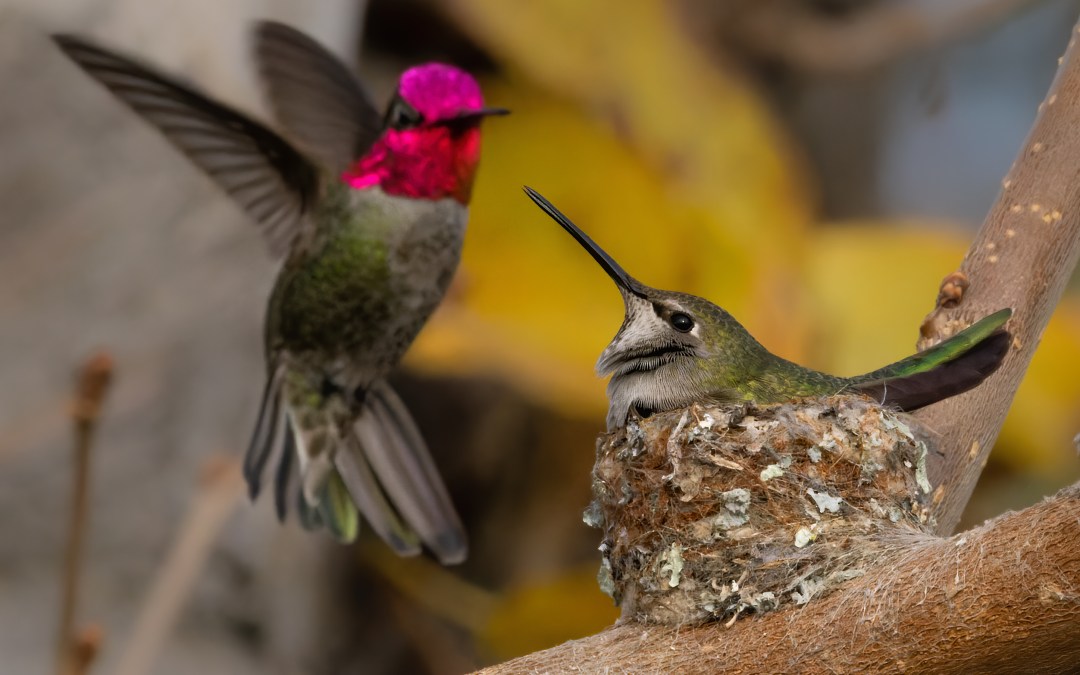
The Sticky Secret of Hummingbird Nests
Discover how hummingbirds turn spider silk into nature’s strongest glue, building tiny nests that stretch, hold fast, and protect the next generation against the elements.
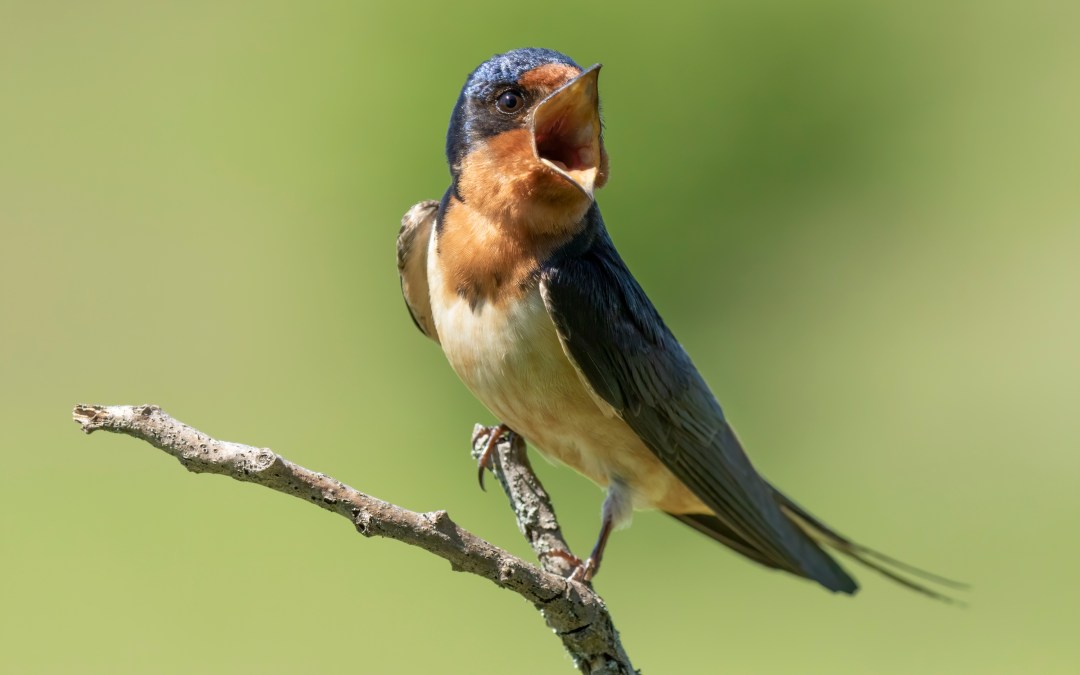
Aerial Insectivores in Decline: What 18 Years of Neighborhood Bird Project Data Reveals
Our skies are changing. New analysis of 18 years of Neighborhood Bird Project data shows aerial insect-eating birds, like swallows and swifts, are declining locally, with some species down more than 90%.
What’s driving the drop, and what can we do to help?
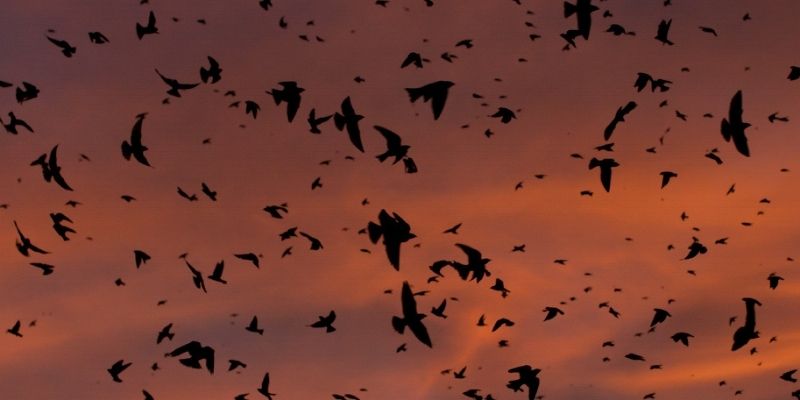
Built to Catch Bugs: Adaptations of Insect-Eating Birds
From mosquito-snatching swallows to barbed tongue woodpeckers, discover how insect-eating birds are perfectly built to catch their next snack.